For years, artificial intelligence was viewed as a futuristic concept out of a science fiction movie. Today, it is a very real and highly functional part of the modern medical ecosystem. The global medical landscape is facing unprecedented challenges, including an aging population, rising chronic diseases, and widespread clinical burnout. To manage these pressures, corporate hospitals and diagnostic centers are turning to advanced digital solutions.
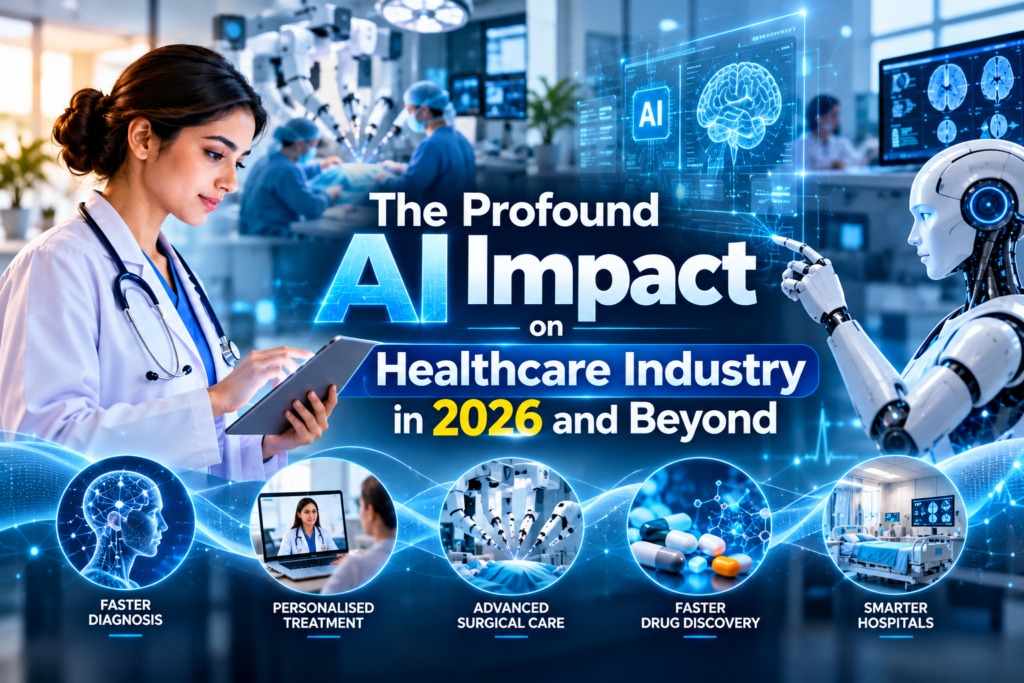
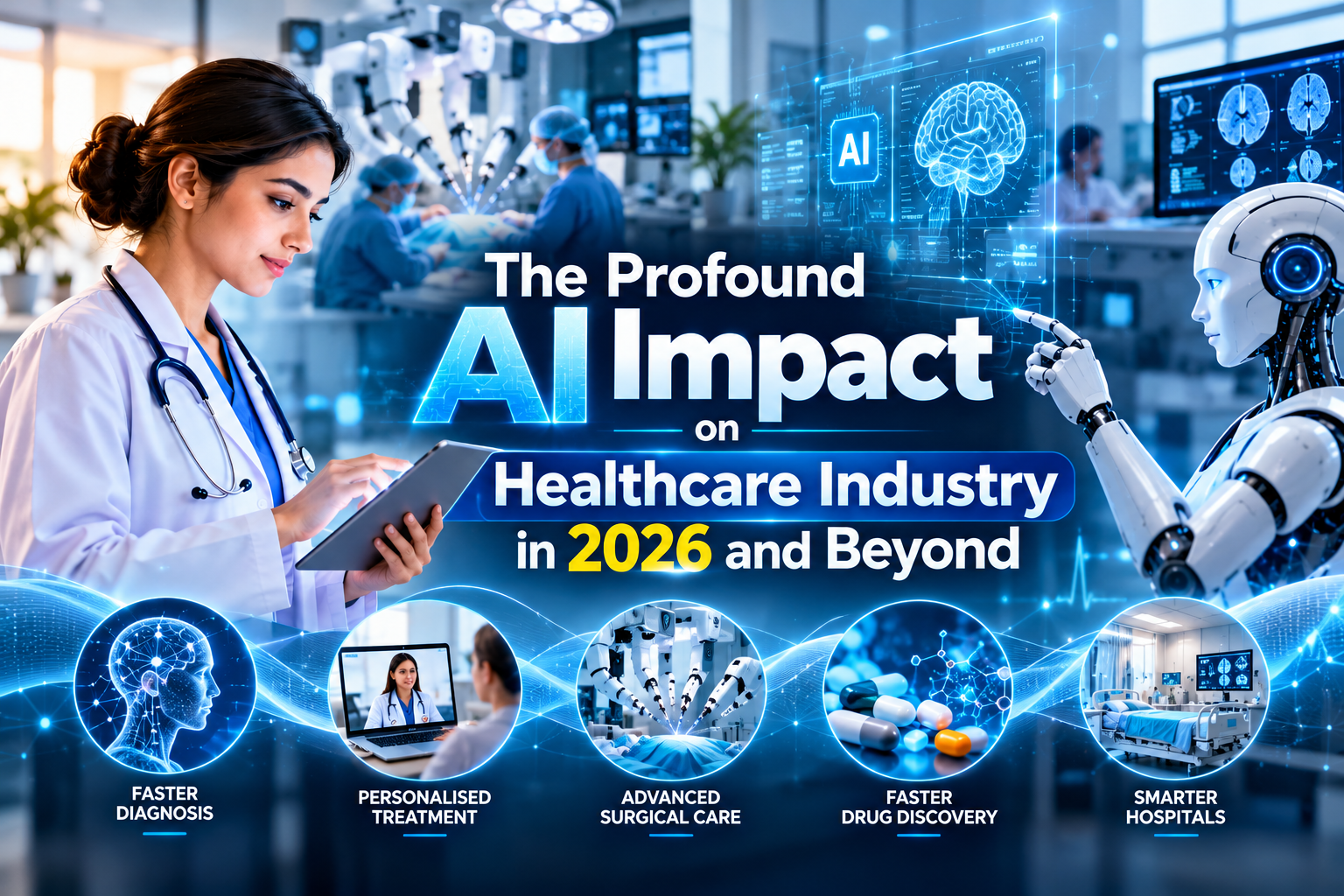
The AI impact on healthcare industry operations is no longer just about basic data entry or automated chatbots. It is about fundamentally changing how we diagnose illnesses, monitor patients, and run complex hospital networks. Let us explore the critical ways artificial intelligence is reshaping the medical field right now.
Enhancing Diagnostic Precision in Pathology and Radiology
One of the most visible areas experiencing massive AI integration is medical imaging and diagnostics. Historically, radiologists and pathologists spent countless hours manually reviewing X rays, MRI scans, and tissue samples. The sheer volume of tests often led to visual fatigue and potential human error.
Today, AI algorithms are trained to analyze high resolution medical images with incredible speed and accuracy. These smart systems can detect the earliest microscopic signs of tumors, subtle bone fractures, or cellular abnormalities that the human eye might easily miss.
However, a common misconception is that AI is here to replace doctors and lab technicians. In reality, the technology serves as a powerful assistant. By instantly highlighting areas of concern on a scan, AI allows radiologists to focus their energy on complex clinical judgments and patient consultations rather than routine sorting. It acts as a highly reliable second opinion that improves overall diagnostic confidence and speeds up life saving treatments.
The Rise of Agentic AI in Clinical Workflows
When we talk about the latest trends in healthcare technology, the conversation is shifting rapidly toward Agentic AI. Unlike traditional artificial intelligence that only responds when prompted, AI agents operate proactively within existing clinical systems. They understand clinical context and intent.
In a busy corporate hospital, doctors and nurses spend a massive portion of their shifts managing administrative paperwork. Agentic AI can seamlessly integrate into electronic health records to automate these draining tasks. These proactive systems can automatically prepare detailed patient summaries before a consultation, coordinate care schedules across different hospital departments, and surface missing medical history that might be critical to a treatment plan. By taking over the heavy lifting of data coordination, these AI agents give healthcare professionals their time back, allowing them to focus entirely on human to human patient care.
Transforming Remote Patient Monitoring
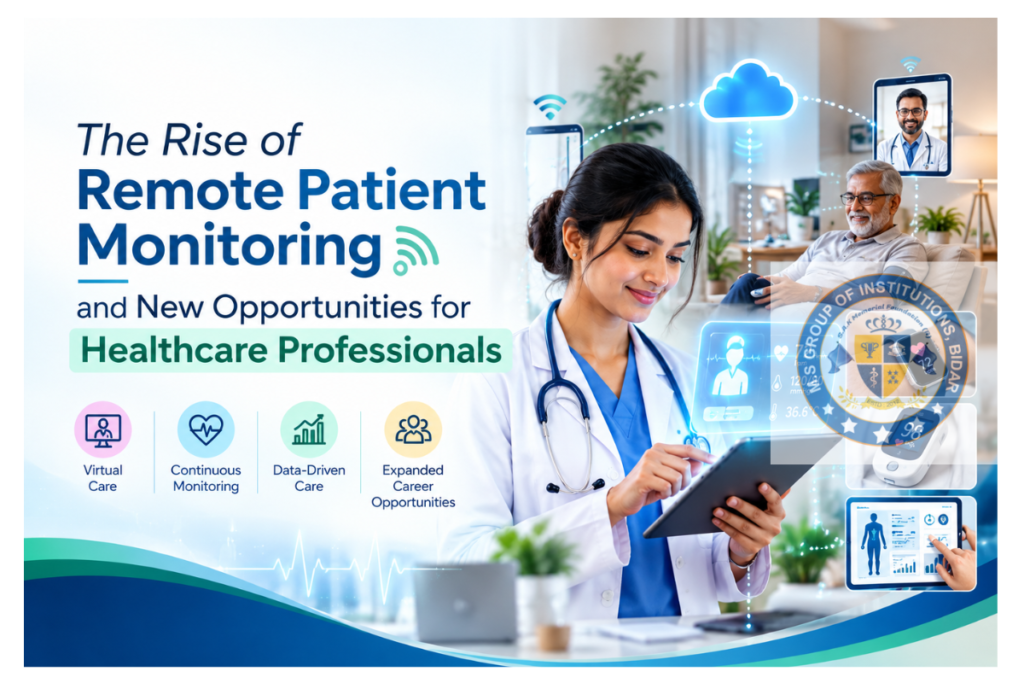
The concept of a hospital without walls is becoming a reality, largely driven by AI powered remote patient monitoring. Wearable health technology, such as smartwatches and digital biosensors, continuously tracks vital signs like heart rate, oxygen saturation, and sleep patterns.
However, collecting thousands of data points every hour is useless unless someone can interpret them. AI systems process this continuous stream of data from remote patients. If the algorithms detect an unusual pattern, such as an irregular heartbeat or a sudden spike in blood pressure, they immediately alert the central healthcare provider. This proactive monitoring is incredibly beneficial for managing chronic conditions like diabetes or heart disease. It allows doctors to intervene early, preventing severe complications and drastically reducing emergency room visits.
Pioneering Personalized Precision Medicine
Every patient is biologically unique, yet medical treatments have historically followed a one size fits all approach. The AI impact on healthcare industry treatment plans is changing this dynamic completely. AI driven precision medicine analyzes a patient’s unique genetic makeup, detailed medical history, and specific lifestyle factors to tailor highly personalized therapies.
This approach is showing immense promise in complex fields like oncology. AI algorithms can review massive global databases of cancer research in seconds to recommend the exact medication dosage and therapy protocol most likely to succeed for a specific genetic profile. This not only increases the effectiveness of the treatment but also significantly reduces the risk of severe side effects.
Preparing the Next Generation of Healthcare Professionals
As artificial intelligence becomes deeply embedded in corporate medical infrastructure, the skill requirements for clinical professionals are changing. The healthcare industry no longer just needs individuals who understand biology; it needs professionals who are comfortable working alongside advanced digital technologies.
Medical laboratory technicians, nurses, and allied health professionals must be trained to validate AI generated data, manage automated workflows, and troubleshoot digital health platforms. The foundation of this knowledge begins with the right academic environment. Institutions that recognize this digital shift and integrate modern technology into their curriculum provide their students with a massive career advantage. For students looking to build this essential technical confidence, exploring industry aligned training at MS Group of Institutions, Bidar. ensures they are prepared to step into the highly advanced, tech driven hospitals of the future.
The Future of Smart Healthcare
The integration of artificial intelligence into medicine is not a passing trend; it is a permanent structural upgrade. From accelerating complex drug discovery to providing instant clinical insights in the emergency room, AI is making healthcare faster, safer, and highly accessible. By embracing these digital tools, the medical industry is moving toward a future where technology and human compassion work perfectly together to deliver the best possible patient care.